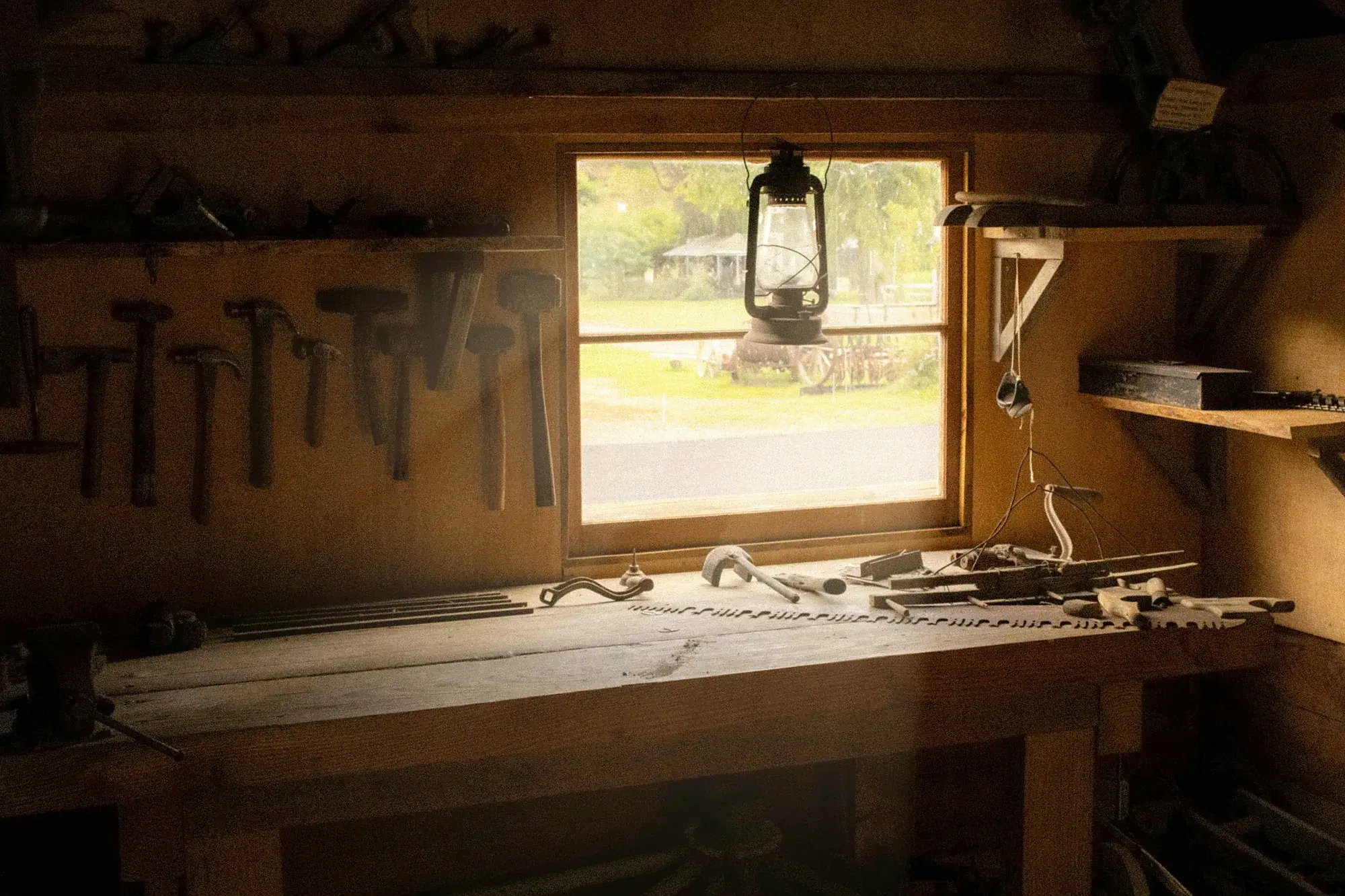
The car makes a noise he would have known how to fix. A decision comes up that you would normally run past him. In moments like these, his absence feels very large. If you'd like support, we offer bereavement counselling in Kitchener-Waterloo, in person or online anywhere in Ontario.
This article looks at the roles a father can hold, what grief can feel like when he dies, how it changes when you weren't close, and what can help. If your mother has also died, our article on the loss of a mother looks at that grief.
When your father dies
For many people, a father is a reference point. When he's gone, the world can feel less steady, and home can feel like it's lost a piece of its structure. You may feel lost for a while.
Whether his death came after a long illness or without warning, this kind of loss often carries more weight than people expect. This often shows up in quiet ways: reaching to call him, or wanting him to see something you've done.
What grief can feel like after losing a father
Grief doesn't follow a single path. At first, there may be shock, or numbness. Later, other reactions tend to arrive:
- waves of sadness that come without warning
- anger at the situation, or at him
- guilt about things you did or didn't do
- a quiet sense of release, if he was unwell or things were hard
- regret for the time you won't have
None of these emotions means you're doing grief wrong. Many people feel several at once, and the emotional mix can change from one day to the next.
The roles he held
Part of the grief is for the person, and part is for everything he did:
- the one who could fix things
- the voice of advice, even when you didn't take it
- a feeling of safety, someone who would show up
- the person who held the old stories
- the steady presence on hard days
When that role is suddenly empty, daily life can feel off balance.
Losing your father when you weren't close
Not every relationship like this is warm. He may have been critical or absent. Your parents may have divorced, or you may have stopped speaking.
Losing your father in these situations can bring grief that's hard to explain. You might notice you're mourning the father you had and the one you wished for. A complicated relationship doesn't make the pain smaller. It often adds layers.
That grief deserves care, too. You don't need to tidy up your feelings about him for them to be real.
Sons, daughters and missing your dad
Every bond is different, and grief tends to follow its shape.
A daughter grieving her father may describe losing a protector, or the person whose approval mattered most. A son often describes something different: pressure to stay strong, keeping things private, or suddenly recognizing him in the mirror. Losing your dad can also shift your identity, especially if you're now the parent, the elder or the one others lean on.
Losing a dad at any age can bring up questions about your own life: what you want to carry forward from him, and what you'd rather leave behind.
Unfinished conversations
Many people are left with things they didn't get to say. Writing them down in a letter or a journal can give those unfinished thoughts somewhere to go. Saying them aloud to friends or someone you trust can help, too. Some people also write down favourite memories.
Parental loss and the shift in your family
Parental loss can rearrange a whole household. When a deceased parent was the one who held things together, families often have to reorganize. Family members may handle the loss in very different ways,. If your other parent is living, you may find yourself looking after them while missing your father. Death changes the shape of a family.
Some days bring the loss into sharp focus: milestones, holidays or Father's Day. Many fathers leave traditions behind, and you can decide which ones to keep.
Ways to carry the weight
There's no shortcut through a loss like this, but there are ways to make it more bearable.
Let yourself feel it. Grief is a process, not a test, and your life doesn't have to look normal right away. Some days will be harder than others.
Talk about him. Share stories and memories with people who knew him. Saying his name can bring comfort and keep your love for him in the room.
Lean on others. Let friends help with practical things, or simply keep you company. Support from people who knew him matters.
Protect your sleep. Rest won't take it away, but it helps.
Watch your mental health. Grief and mental health are closely linked. If heavy feelings stay with you for a long time, or your loss is affecting work and the people around you, it's worth reaching out for support. Protecting your emotional and mental health is part of caring for yourself, not a distraction from the loss.
How therapy can offer grief support
Many people get through grief with support from the people around them. Others find that this loss brings up more than they can hold alone, especially when things with their father were difficult or other losses are stacking up.
In therapy, we can make space for everything you feel about him, including the parts that are hard to share at home. A therapist can help you understand your grief, look after your mental health, and find ways to live alongside the loss. A therapist won't rush you. That might include narrative therapy, telling his story and yours in a way that makes room for love and hurt at once.
Therapy isn't about getting over him. It's about healing at your own pace, and grief support can help whether he died recently or many years ago. We see people at every point of grief after a parent. Death, even long past, can still ask for attention.
Our next article, on the first year after losing a spouse, looks at grief when your partner dies.
What a first session can look like
In a first session, you can tell your therapist as much or as little as you want about him and how you've been since your father passed. You don't need to know what to say. We'll go at your pace, and the process is yours to shape.
Frequently asked questions
Yes. Relief is common, especially after a long illness or years of strain. It can sit alongside sadness and love.