Introduction
You might not call it anxiety. Not at first.
It shows up as efficiency. As getting things done before anyone else realizes there is something to do. As that quick yes when someone asks if you can handle one more thing, even when your calendar has not had white space in weeks. It feels like competence. Often it is.
But somewhere underneath, there is a hum. A low frequency tension that has been running so long you have started to think it is just who you are. The person who is always slightly ahead, always slightly on. The one people count on because you do not drop things. You do not fall apart.
Except maybe you do, quietly, in ways no one sees.
In the 3am thoughts that spiral.
In the tightness in your chest that shows up on Sunday nights.
In the way rest feels impossible, even when you are exhausted.
In the sense that stopping, even for a moment, might mean everything unravels.
This guide is for that. For the version of anxiety that wears productivity like armor. For the people who function beautifully on the outside while spending enormous energy just to hold it all together.
You are not imagining it. And you are not broken. Your nervous system is doing exactly what it was designed to do. It is just that it has been doing it for so long, in response to so much, that it has forgotten how to turn off.
What High-Functioning Anxiety Actually Looks Like
If you are reading this, you probably do not fit the stereotype. You are not canceling plans or avoiding responsibilities, even when deep down you want to.
You are showing up. Reliably. Maybe too reliably.
You might be the person others describe as "having it all together." The dependable one. The organized one. The one who always seems calm under pressure. And in many ways, that is accurate. You do manage. You do perform. You often exceed expectations.
But inside, there is a different story.
There is the mental list that updates constantly. The sense that if you are not planning, preparing, or reviewing, something will slip. The way relaxation feels strangely uncomfortable, like you are supposed to be doing something more useful with your time.
You might notice yourself saying yes when you want to say no. Not because you are a pushover, but because saying no feels risky. Like disappointing someone might mean losing their respect or trust. So you overextend, then privately resent it, then feel guilty for resenting it.
There is often perfectionism, though you might not label it that way. You just have standards. Except those standards quietly creep upward. What felt good enough last year does not anymore. The bar keeps rising, and somehow you keep reaching it, even when it costs you sleep, peace, or presence with people you care about.
The Subtle Signs Your Nervous System Is Overworking
Your nervous system does not announce itself with a billboard. It whispers. It shows up in patterns you might dismiss as personality traits or just "how you are."
You might find yourself checking things repeatedly. Not obsessively, but just to be sure.
Email sent? Check.
Door locked? Check.
Calendar correct? Check again.
Or maybe you notice you cannot quite be present. You are at dinner with friends, but part of your mind is already running through tomorrow's schedule.
Sleep might be strange. You are exhausted, but when you lie down, your mind spins. Small worries become large. Things you handled fine during the day suddenly feel urgent at 2am.
Your body might also hold the evidence.
Jaw clenching.
Shallow breathing.
Shoulders that sit higher than they need to.
Muscle tension that keeps returning.
These are not failures. They are adaptations.
Your nervous system learned, somewhere along the way, that being vigilant keeps you safe. The problem is, it is exhausting. And it does not actually make you safer. It just makes you tired.
"High-functioning anxiety is not about falling apart. It is about holding it together so well that no one, including you sometimes, recognizes how much effort it takes."
Why Coping Harder Stops Working
If you live with high-functioning anxiety, you have probably already tried to fix this in every way you know how. You have read the articles, listened to the podcasts, downloaded the meditation apps, and reminded yourself to just relax. And sometimes, briefly, it even seems to work. The edge softens. The tension eases.
Then life happens again.
A deadline, a conflict, a health worry, a change in routine and suddenly the familiar sensations return. The tight chest. The racing mind. The background hum of vigilance that never fully turns off.
This is not because you are doing it wrong. And it is not because you are not trying hard enough.
The reason coping harder stops working is because high-functioning anxiety is not primarily a problem of faulty thinking. It is a nervous system that has learned to stay on high alert. You can intellectually understand that you are safe and still feel completely unregulated in your body.
What actually helps looks very different from trying harder.
What This Guide Covers
In the complete guide, I walk you through understanding your nervous system without the jargon, and why staying sharp all the time comes at a cost you may not have fully recognized. I give you regulation tools that do not feel like more work, and show you how to soften self-pressure without losing your edge. You will learn what it actually feels like when things shift, and how to work with the inner critic that has been driving you for so long.
This is not about becoming less capable. It is about releasing what you no longer need to grip so tightly.
Get the Complete Guide
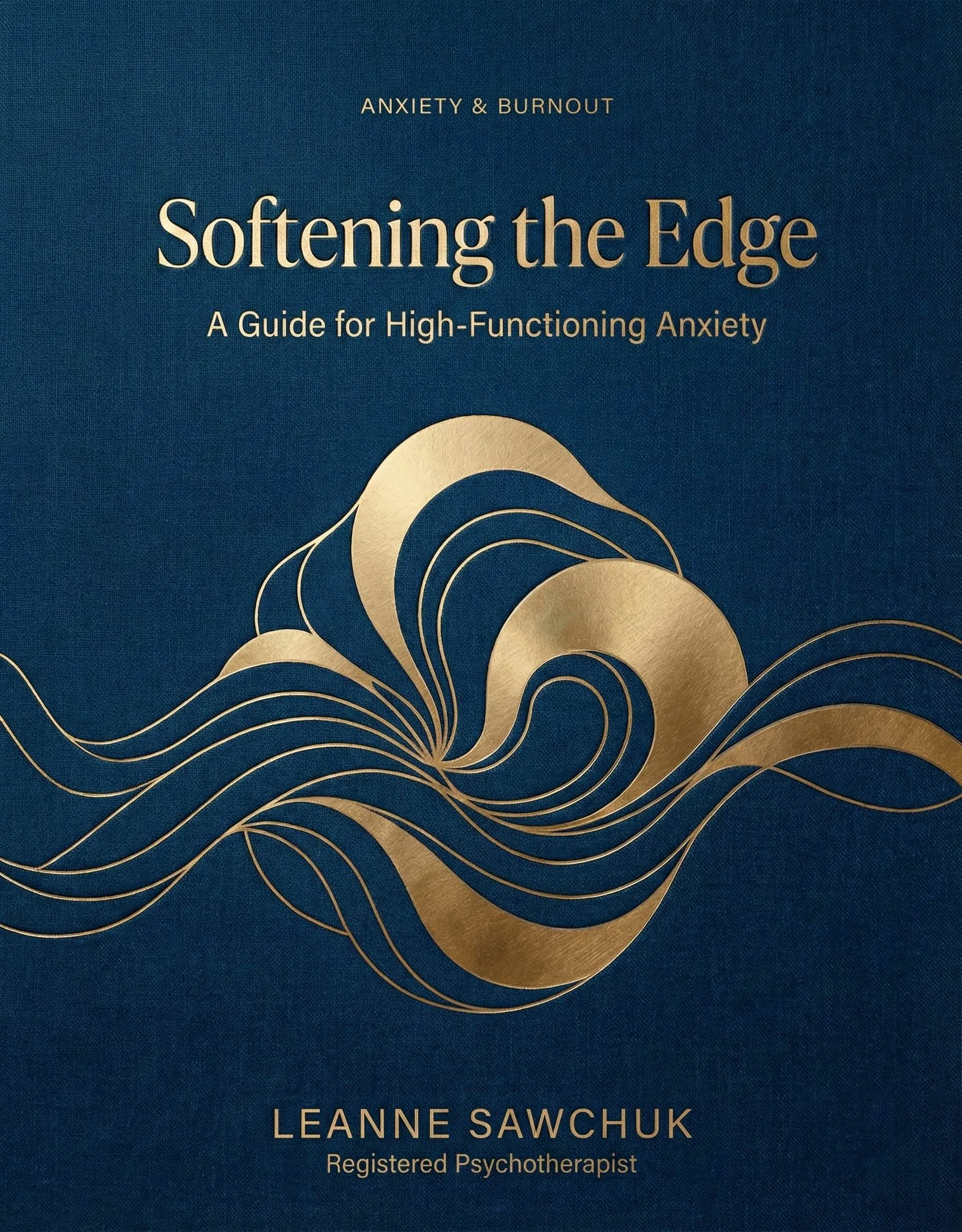
The summary above covers the foundations. The full guide goes deeper: